The Sustainability and Data Sciences Laboratory (SDS Lab) develops novel insights in the interdisciplinary sciences of climate extremes and the engineering principles of networked lifelines to inform adaptation and policy. Physics-integrated spatiotemporal machine learning and nonlinear dynamics, especially from large-scale numerical model-simulations and remote or in-situ sensor data, enable the discovery of new insights in climate extremes and uncertainty, while network sciences and optimization along with engineering or ecological principles aid in understanding infrastructural or ecosystem vulnerability. Decision sciences and policy imperatives are integrated in the scientific discovery and technological invention processes to embed stakeholder perspectives.
The PI of SDS lab is Dr. Auroop Ganguly (Distinguished College of Engineering Professor, Director of the SDS Lab: Sustainability and Data Sciences Laboratory, and Director of AI4CaS: AI for Climate and Sustainability, Northeastern University, Boston, MA)
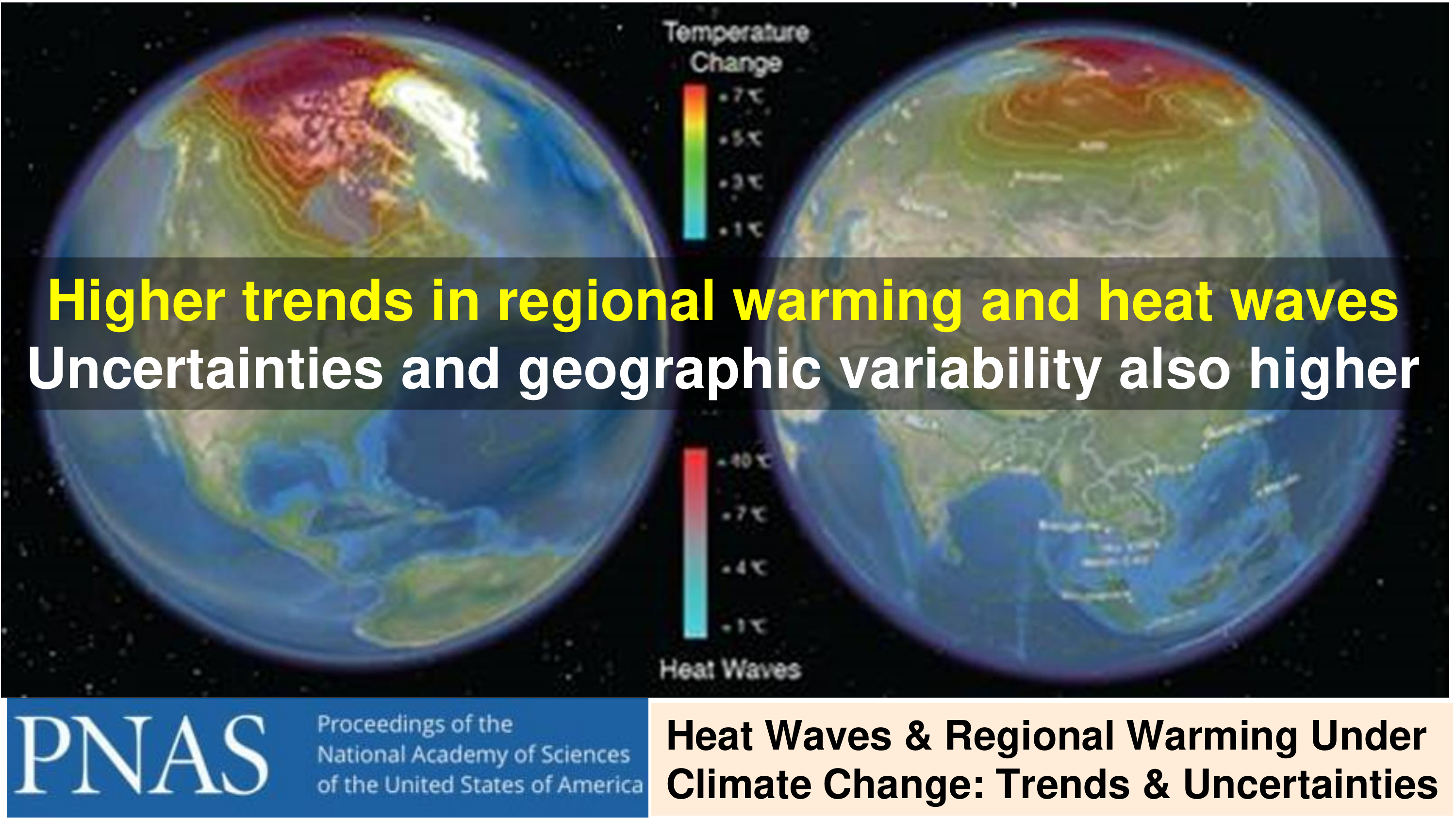
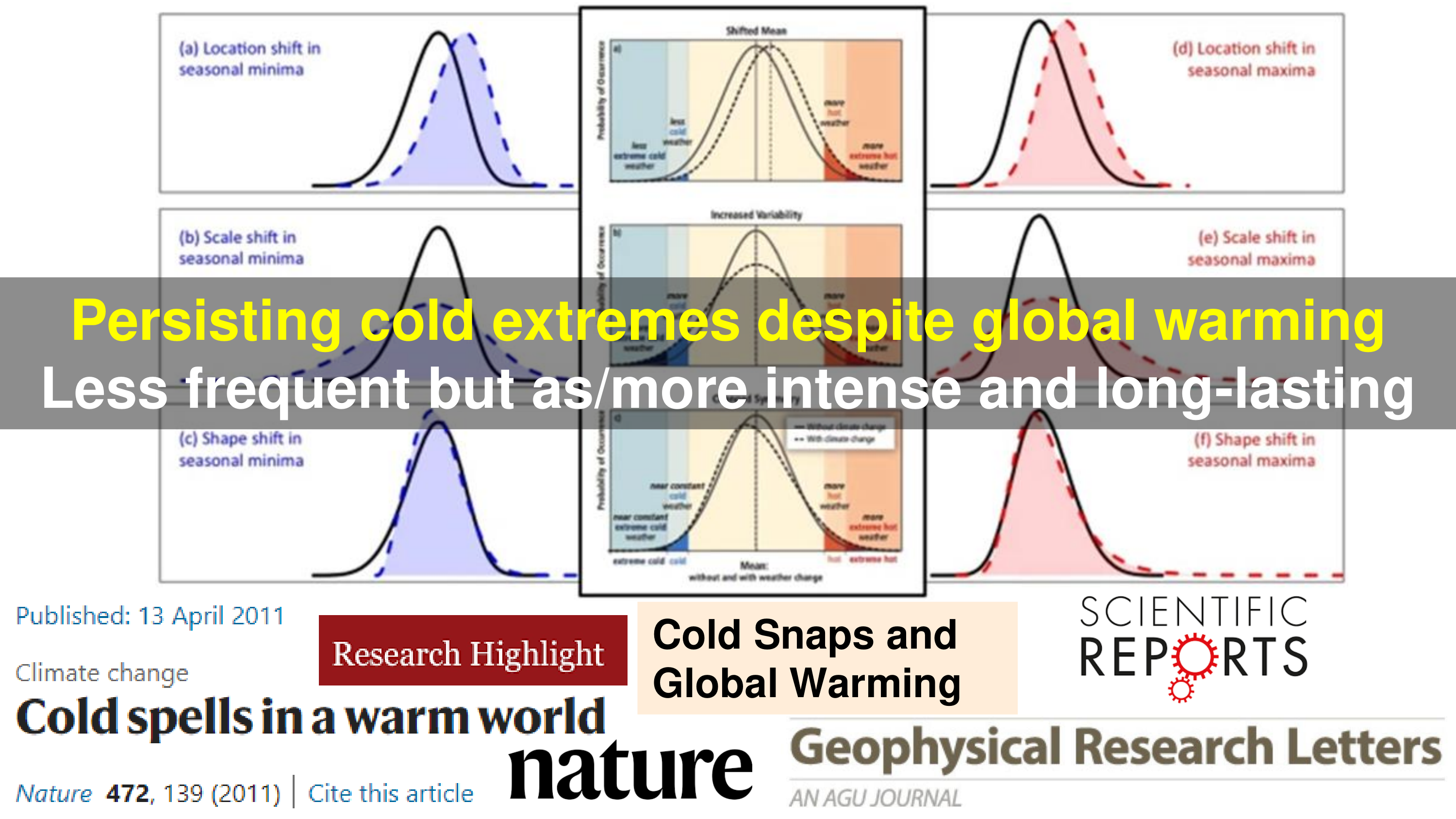
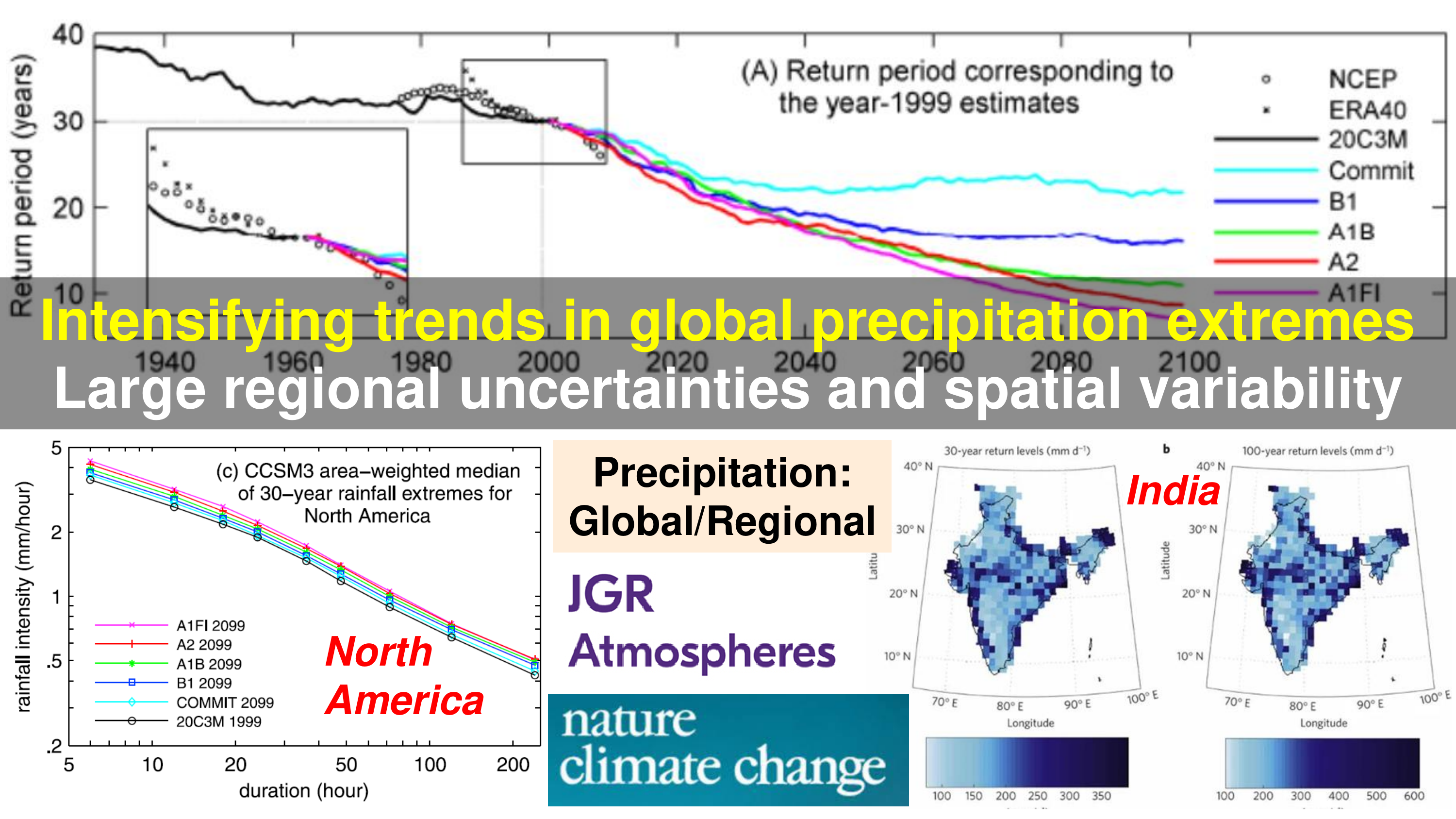
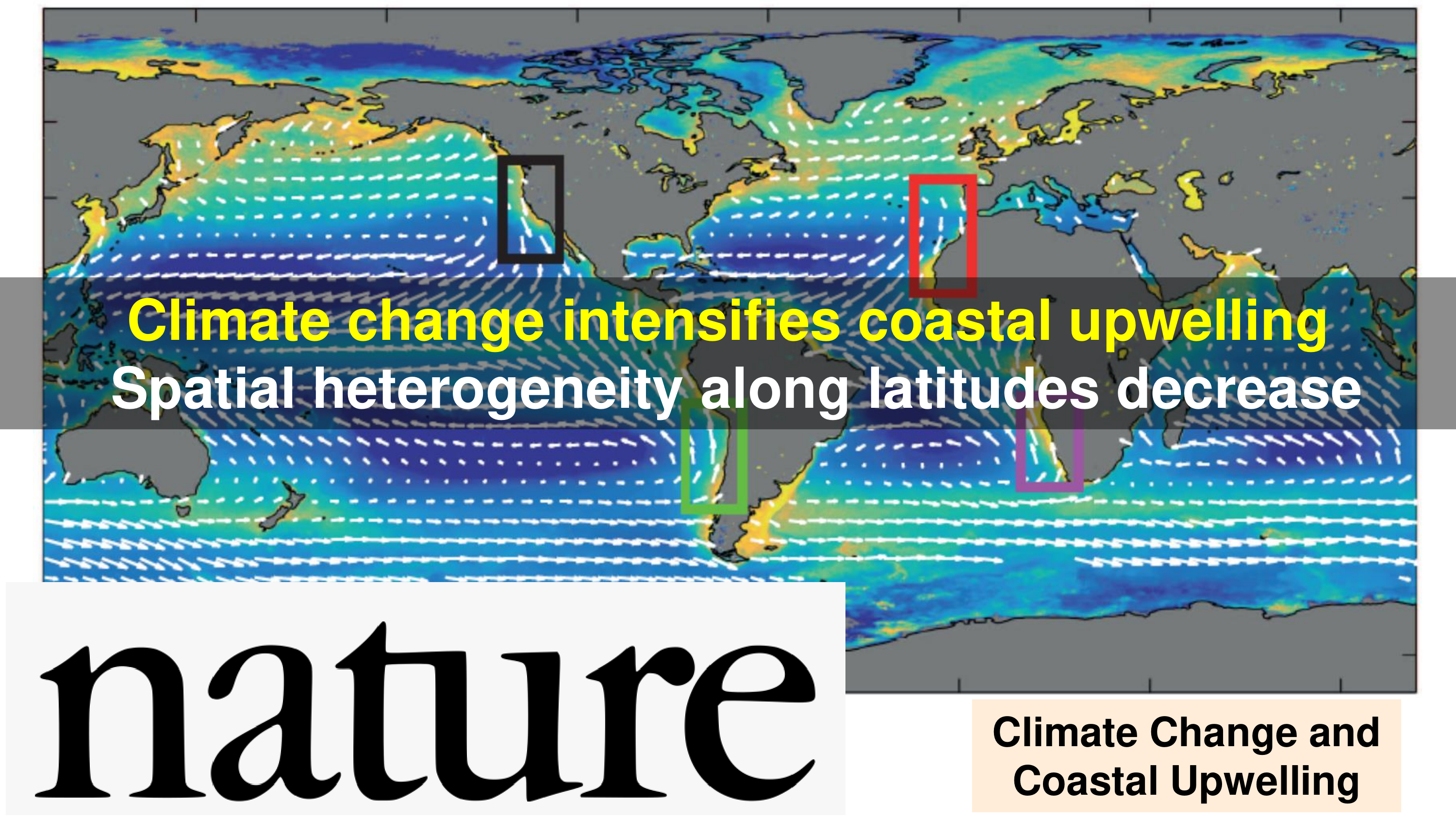
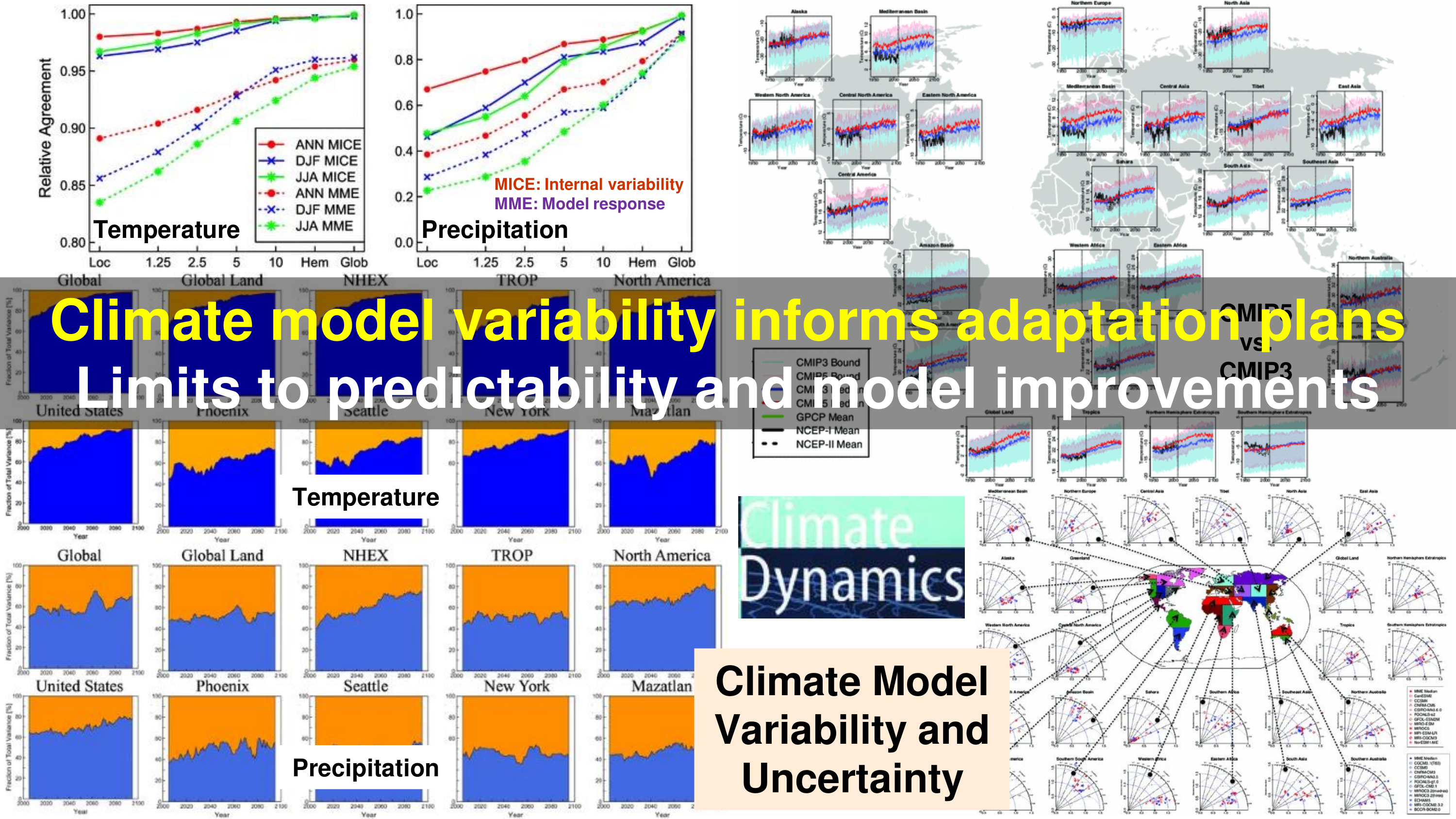
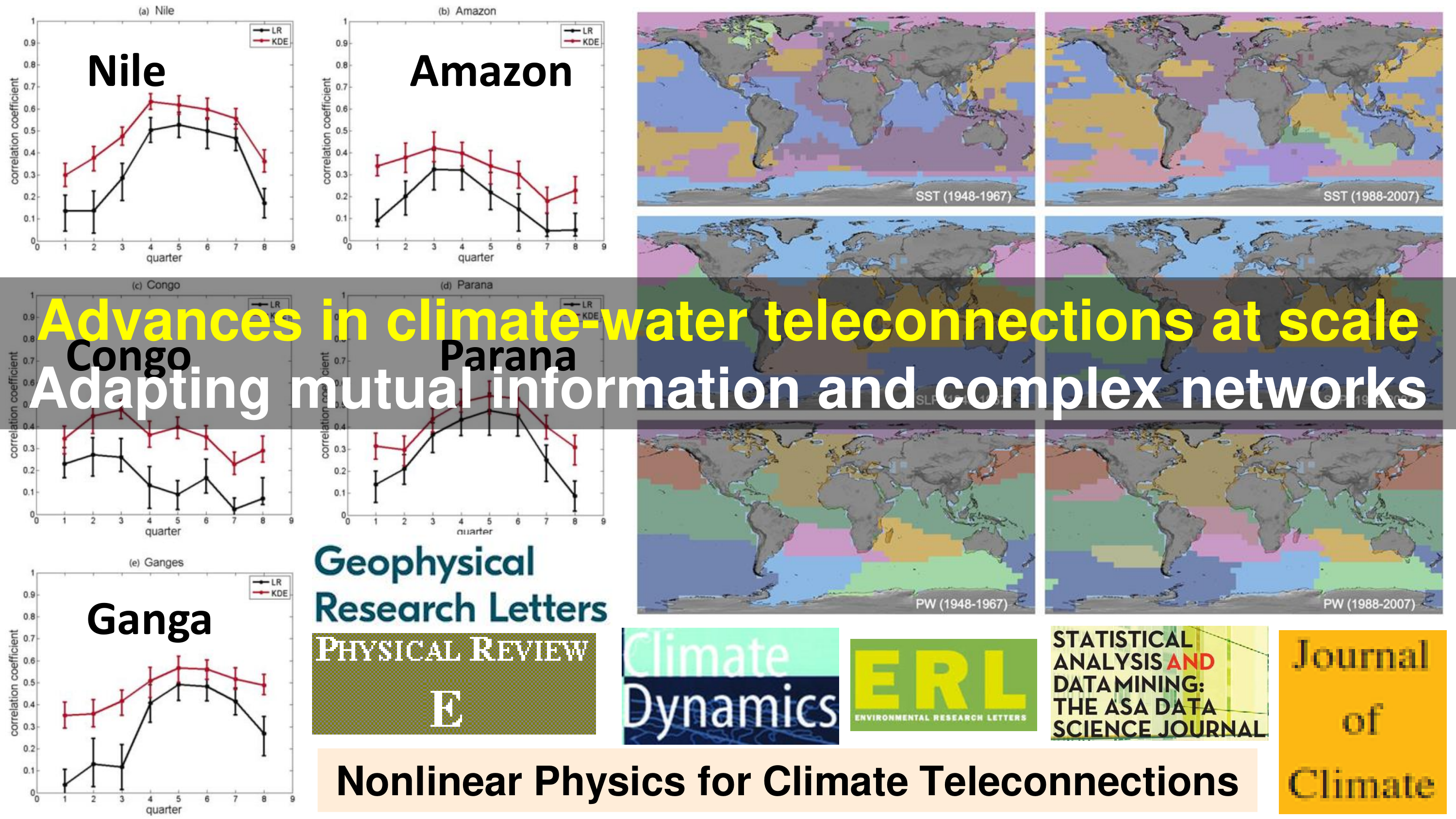
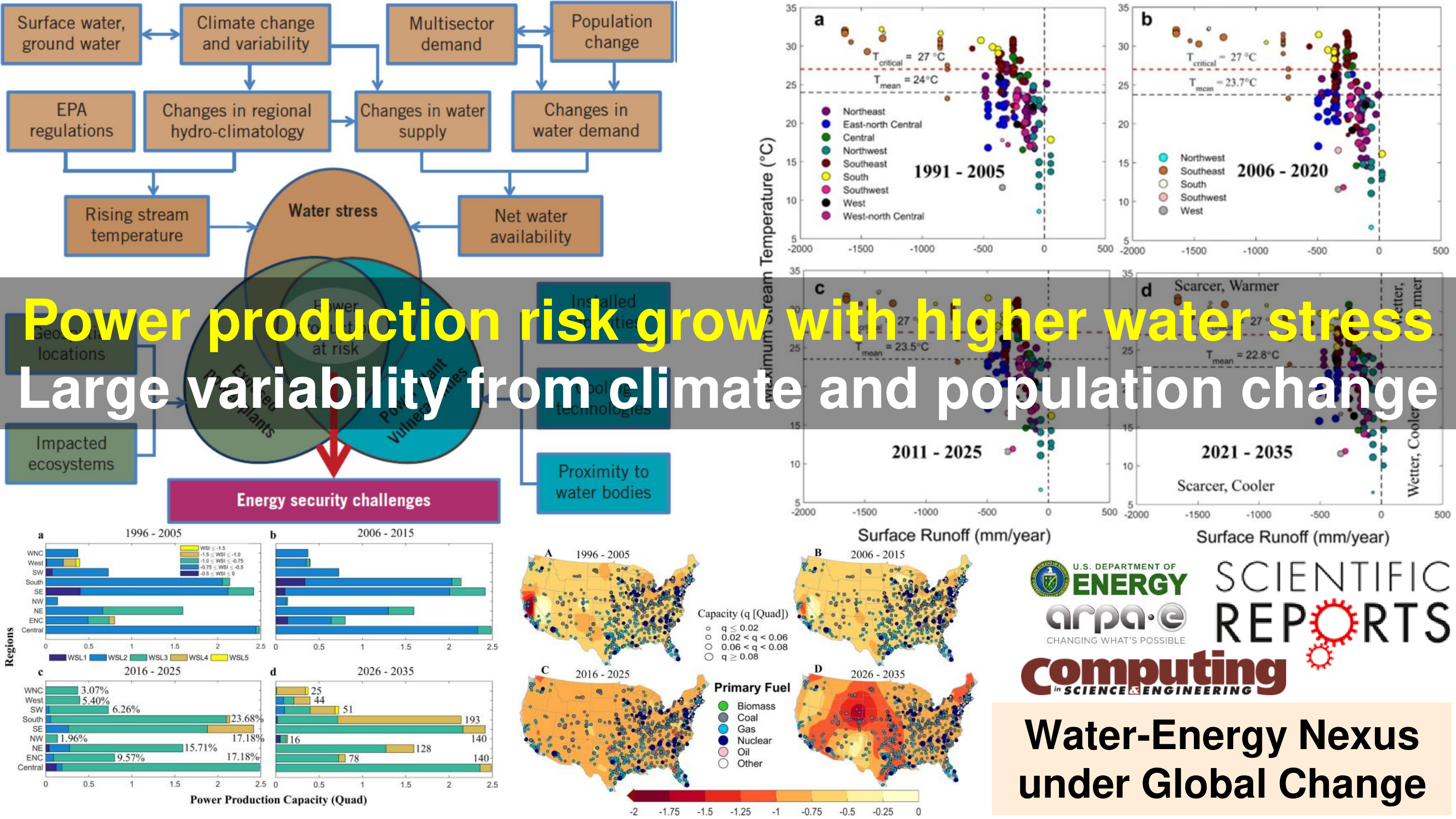
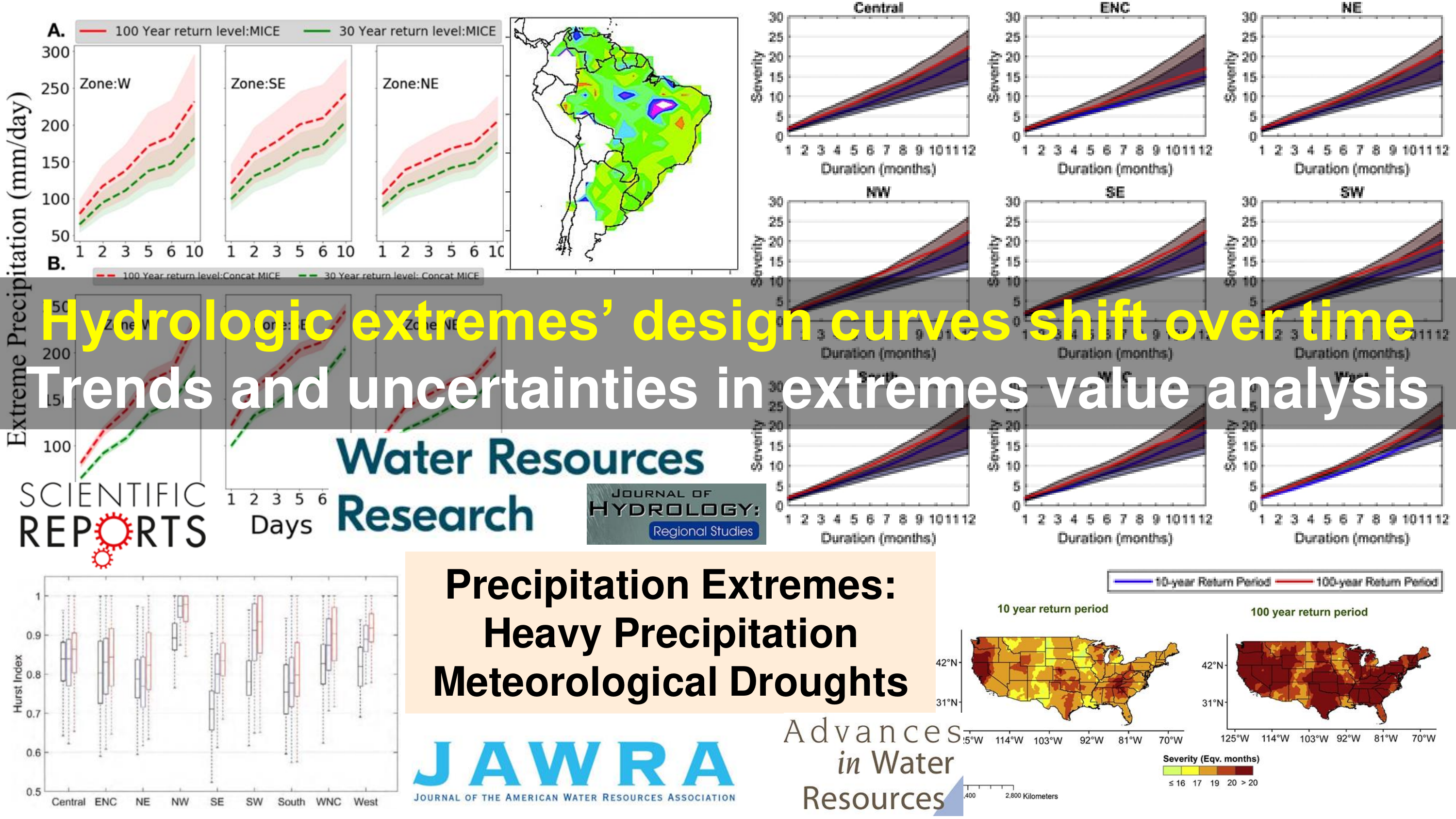
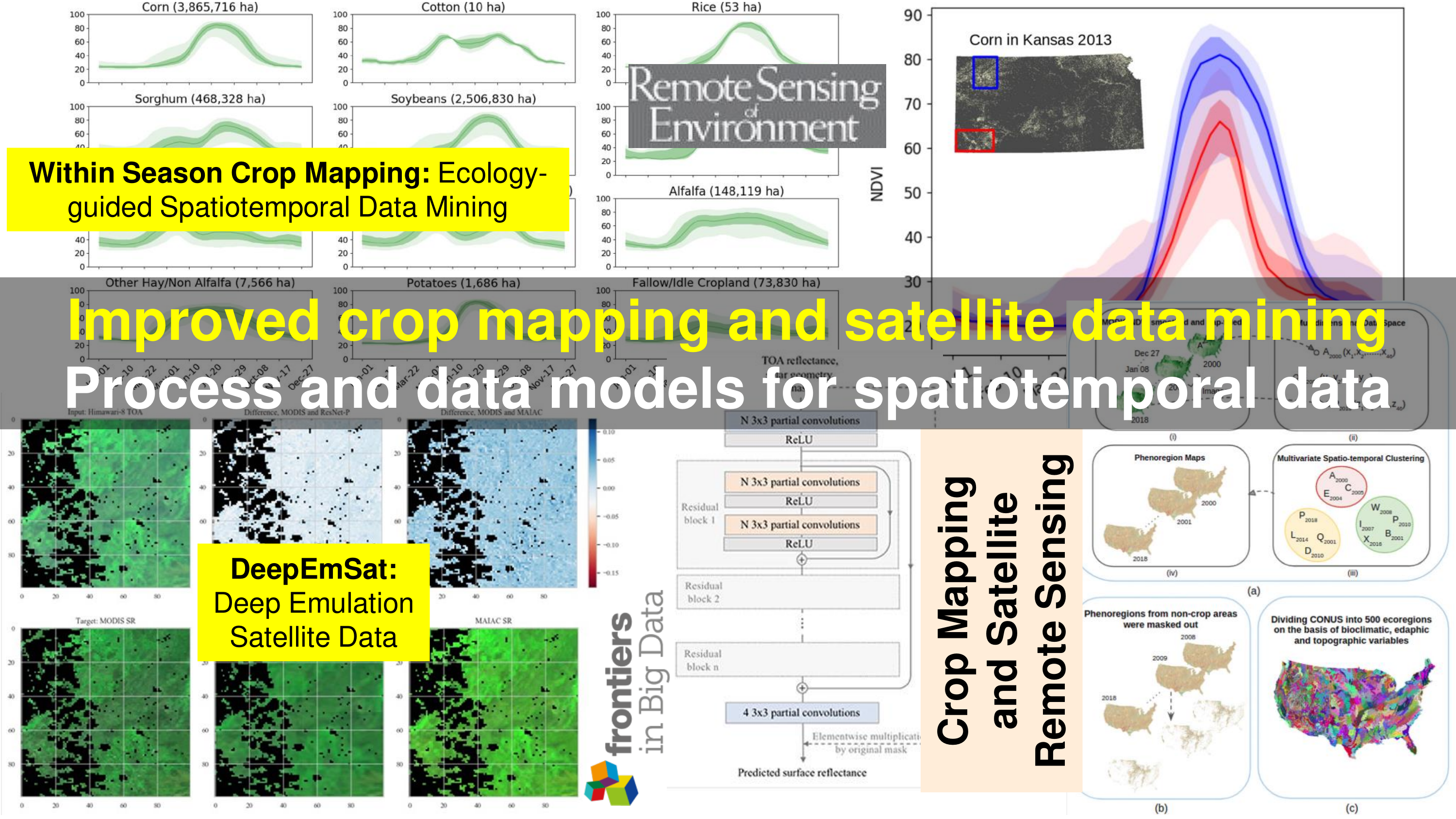
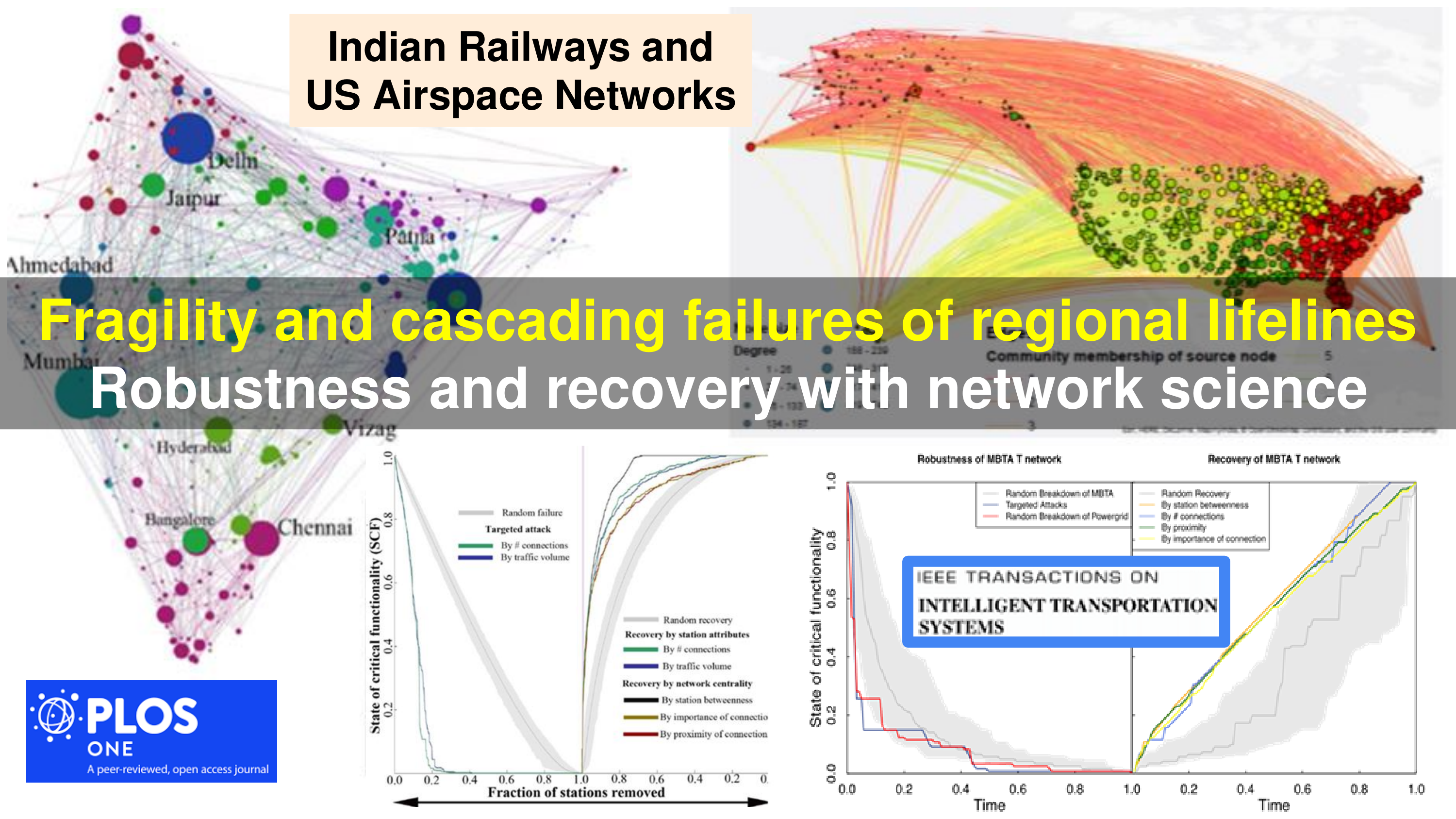
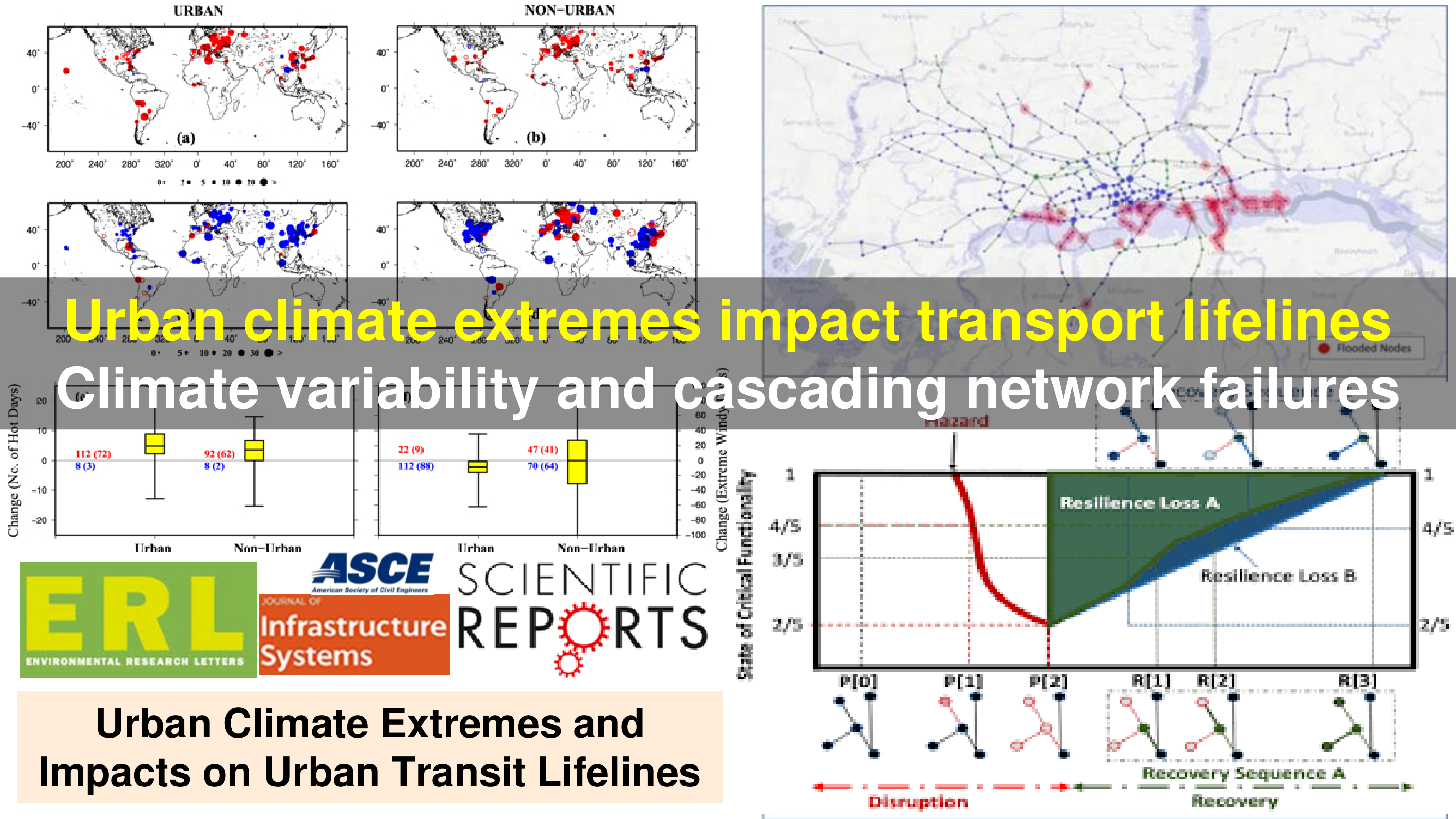
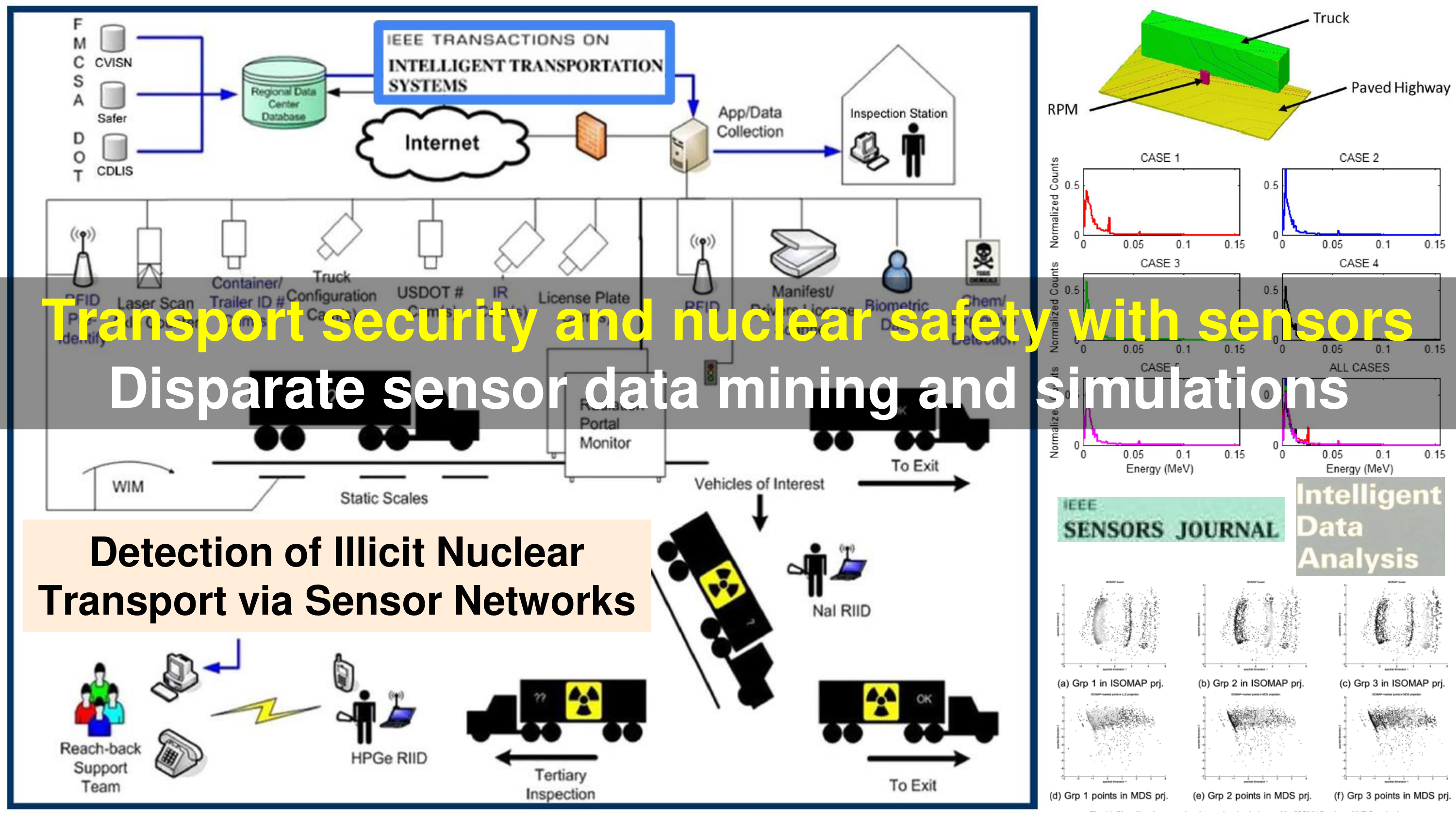
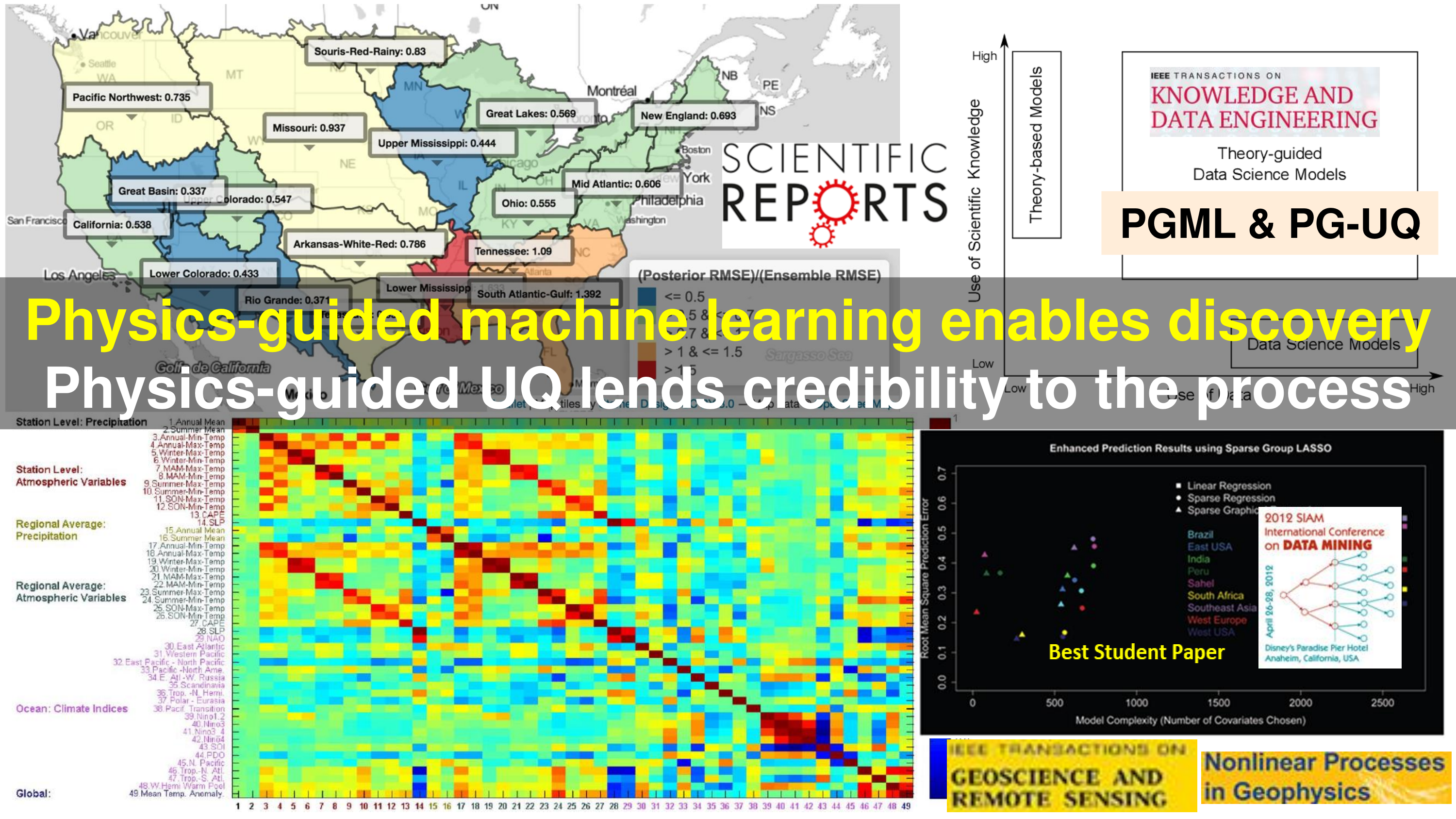
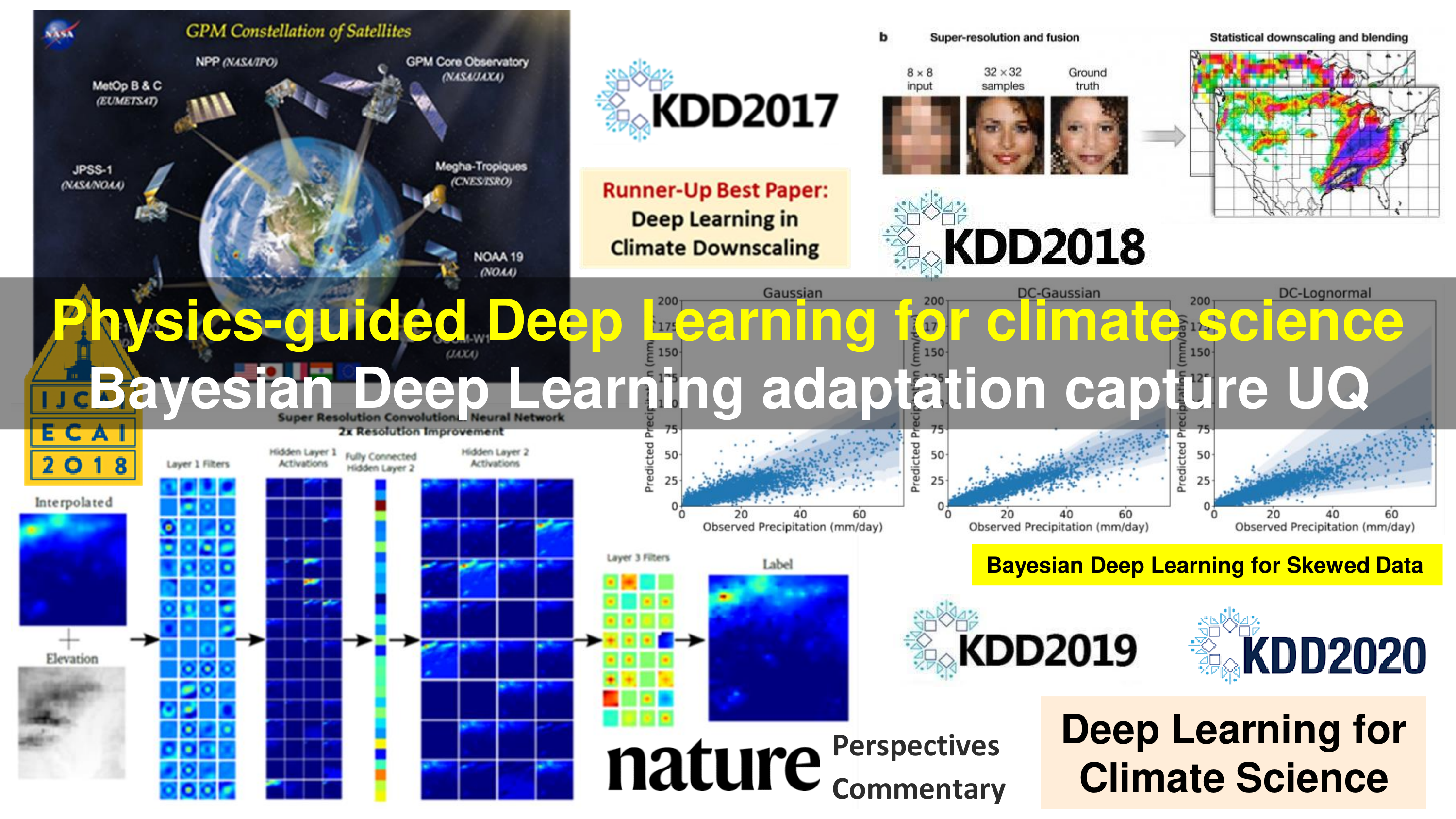
See our (Publications and Patents here) !
The research vision and thrust of the SDS Lab is captured through recent presentations (listed in chronological order) by the PI Auroop Ganguly: A 2019 US National Academy of Sciences (NAS) workshop on urban sustainability (Ganguly's keynote is here), a collaborative presentation in 2021 on infrastructure and installation resilience subject to compound extremes (here), a NAS workshop on AI/ML for earth systems in early 2022 (Ganguly's short panel presentation is here), and a couple of presentations on climate science and adaptation engineering in late 2022, specifically, an invited talk at SC22 (here) and an invited plenary talk at TIES 2022 (here). Our research (see Scholar profile) has been published in interdisciplinary climate journals such as Nature, Nature Climate Change, and PNAS, won best paper awards in highly selective AI/ML conferences such as ACM KDD, and appeared across disciplinary journals in climate, water, infrastructures, remote sensing, data science, machine learning, and nonlinear dynamics. The SDS Lab connects strongly with two institutes within Northeastern University (NU), specifically, the Global Resilience Institute (GRI) and the Institute for Experiential Artificial Intelligence (EAI), in addition to two institutes directly connected with NU, specifically, the Roux Institute and the Kostas Research Institute (KRI). Our education and workforce development mission includes spawning entrepreneurial activities in the private sector (example here) and the public sectors (examples here and there), teaching climate science, engineering adaptation, and policy to undergraduates, both as on-campus and study abroad (see here) courses, each with different flavors, as well as teaching graduate courses on climate science and engineering, time series and geospatial data sciences, and critical infrastructures resilience (see our CIR textbook here). Our recent media highlights include articles in Newsweek, the New York Times, the Independent, and the Wall Street Journal, as well as a NASA feature, a PNNL spotlight, and an NU news, while previous highlights have appeared in the journal Nature, NSF news, and the Boston Globe, among many others. The SDS Lab, supported by the Civil and Environmental Engineering department at Northeastern University in Boston, MA, USA, is physically located right across the heart of the city across the Reflection Pool near the Prudential.
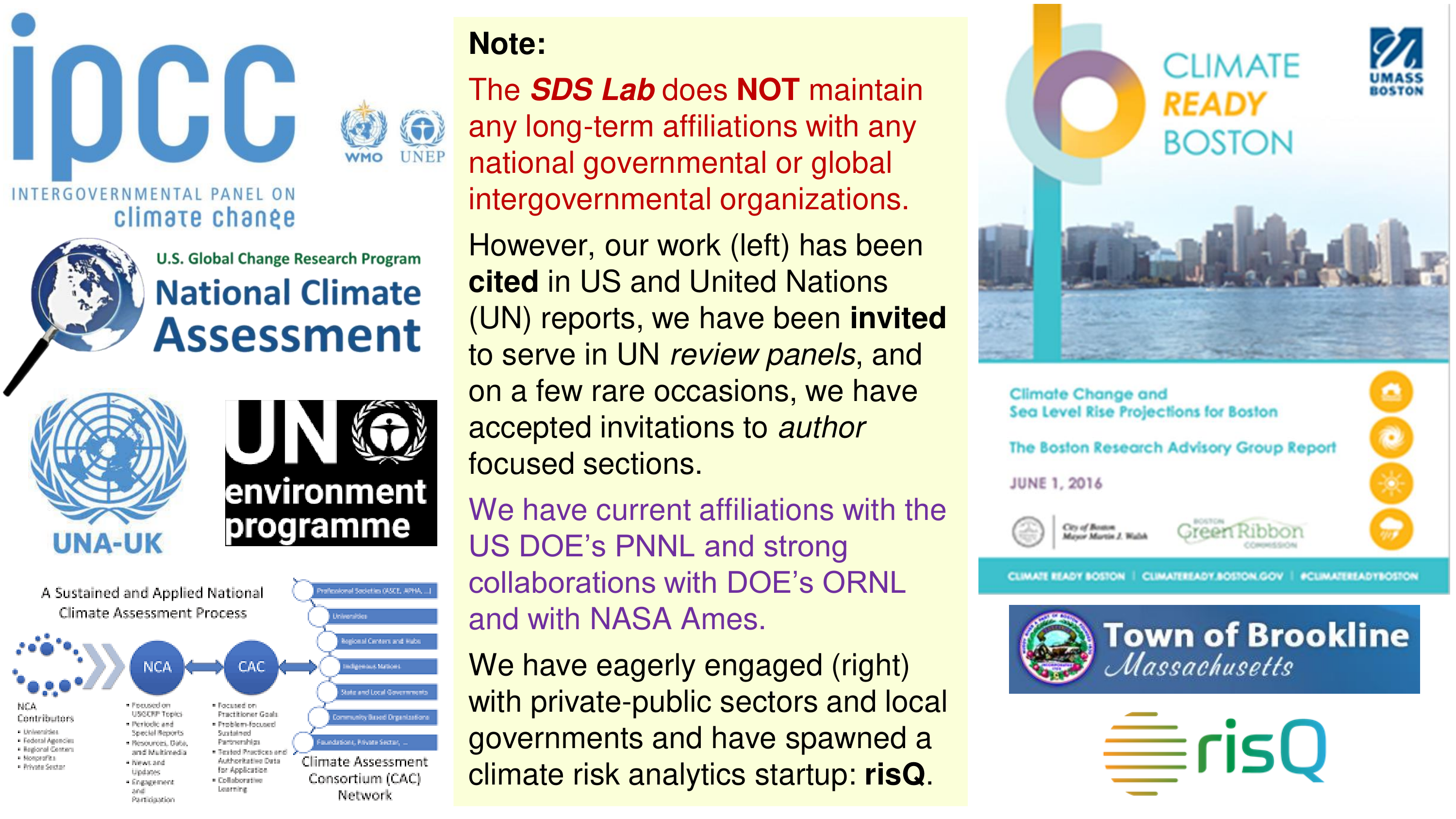
Product Development: The SDS Lab prides itself on the products, ranging from climate science discovery and novel engineering principles to peer-reviewed papers in top journals and highly selective conferences, as well as patents, text and edited books and chapters, besides connections with the private and public sectors, national laboratories and federal research organizations such as US DOE’s PNNL and ORNL and NASA Ames, along with local and city governments. The SDS Lab and its prior incarnation at ORNL has authored 65 peer-reviewed journal articles with 5 more in review, 7 highly-selective and 41 selective peer-reviewed conference papers for a total of 136 conference presentations, 3 books and 24 book chapters, 11 technical notes and delivered 96 invited talks. The SDS Lab has developed 2 US patents, one in climate risk and one in infrastructure resilience, 3 invention disclosures, and spawned a climate analytics startup called risQ. The SDS Lab PI (Auroop Ganguly), with his students, postdocs and visiting professors, have published in top disciplinary and interdisciplinary venues in climate science (such as Nature, PNAS, and Nature Climate Change), lifeline engineering (e.g., IEEE Transactions and ASCE) and data science (e.g., KDD and IJCAI) with best paper awards in ACM KDD and SIAM Data Mining as well as best poster awards at AGU and AMS, leading to citations in the United Nations intergovernmental and United States national reports, highlights in scientific venues such as the journal Nature and in the National Science Foundation media, invitations at UN panels and as author or co-author of focused sections, as well as quotes and citations in the national and global media. The SDS Lab does not have any long-standing connections or commitments to governmental or intergovernmental bodies of national or global bodies but has cultivated relations with private-public-government research and practice communities.
Workforce Contributions: Northeastern SDS Lab (and prior incarnation at ORNL) alums and research mentees of the SDS Lab PI have assumed key research and leadership roles in the private sector, government research institutes, and in academia. Our graduate and postgraduate alums are in US federal agencies such as NASA and in US national laboratories such as DOE’s ORNL and DOT’s VOLPE, as well as in niche and leadership roles in the US private sector in areas such as machine learning, risk modeling and engineering. One PhD alum is the co-founder and CEO of a growing climate analytics startup, while several other PhD or postgraduate as well as visiting faculty alums are in the US and Indian academia include award-winning professors at multiple campuses of the Indian Institute of Technology. Our undergraduate alums are spread across the private and public sectors and have been accepted in top graduate programs in the US, including MIT, Stanford, Berkeley and in rare occasions absorbed within Northeastern. A few of our graduate alums have chosen to join the finance and insurance sector.
Entrepreneurial Activities: The SDS Lab defines entrepreneurial activities as socially impactful private sector startup companies, translational R&D activities such as patents, as well as direct work with communities. The two US patents granted to the SDS Lab include one on climate risks and the other on infrastructural resilience. SDS Lab alumnus Dr. Evan Kodra (PhD ‘2014) and SDS Lab PI Auroop Ganguly along with NU graduate Colin Sullivan co-founded a startup called risQ in urban climate analytics with monetization pathways through the Muni bond markets. The startup company, originally launched with NSF SBIR grant funding and boosted by paying customers, has since been successfully acquired by the Fortune 500 company Intercontinental Exchange (ICE), which in turn counts the New York stock exchange as a subsidiary. The news of the acquisition was dissemination by Northeastern University news (see here) and reported in the Wall Street Journal (see there), among others. SDS Lab alums Thomas J. (“TJ”) Vandal (PhD ‘2018) and Kate Duffy (PhD ‘2021) are the co-founders of an AI-based weather prediction company called Zeus AI catering to the renewable energy markets such as companies in the wind and solar verticals. Vandal and Duffy were NASA scientists following their PhDs and launched their startup with NASA SBIR grant funding, as reported in Northeastern Global News (see here). Kodra and Ganguly are advisors at Zeus AI. The SDS Lab has been engaged with communities, such as with Climate Ready Boston (e.g., the BRAG report) and Greater Boston (e.g., the G-BRAG report), as well as with the Town of Brookline, MA (e.g., see the AGU TEX website and the award-winning AGU virtual poster). The communities can be urban or rural, as well as national (e.g., SCAN: scroll down to see news articles and click here to view the History of SCAN) as well as global (e.g., see Northeastern news about SDS Lab’s visit to the United Nations and the PI Ganguly’s engagement with a United Nations panel). As Co-Director of Northeastern University’s Global Resilience Institute (GRI) and Director of the Artificial Intelligence for Climate and Sustainability (AI4CaS) focus area with the Institute for Experiential Artificial Intelligence (EAI) at Northeastern University, Ganguly hopes to further develop entrepreneurial activities.
Experiential Learning: The SDS Lab PI Auroop Ganguly teaches three courses on campus and two courses via study-abroad programs at Northeastern University, all five of which he designed and developed himself. The on-campus courses are: CIVE 5363: Climate Science, Engineering Adaptation, and Policy (4 credits, UG and Grad); CIVE 7100: Time Series and Geospatial Data Sciences (4 credits, Grad); and CIVE 7110: Critical Infrastructure Resilience. The course CIVE 7110 was co-taught to both engineering and policy students and led to the development of a textbook by Taylor & Francis. The two study-abroad courses, offered through the Northeastern University Dialogue of Civilizations program, are the following (4 credits each): CIVE 4777 (UG) [or CIVE 6777 (Grad) or HONR 3309-A (UG Honors)]: Climate Hazards and Resilient Cities Abroad and CIVE 4778 (UG) [or CIVE 6778 (Grad) or HONR 3309-B (UG Honors)]: Climate Adaptation and Policy Abroad. The Dialogue programs focus on Climate and Emerging Economies, and as explained to the University Alumni Network (see here), has attracted all students from all colleges at Northeastern over the years (since it was first offered in 2014) and has visited the following locations: India in 2014, 2015, and 2016, Singapore and Indonesia (Jakarta and Bali) in 2017, Brazil and Peru in 2018 (part a and part b), Nepal and India in 2019, went virtual in 2020 owing to the pandemic, restarted with Tanzania in 2022, and plan to visit Nepal and India in 2023, and Singapore, Cambodia, and Indonesia in 2024.
Funding Grants: The SDS Lab has been and continues to be generously funded by US federal agencies such as NSF, DOD, NASA, DHS, DOE and DOE Labs. Occasional funding and in-kind support have been received from the private and public sectors. During the last 17 years as an independent researcher, first at US DOE’s Oak Ridge National Laboratory and now at Northeastern University, the total dollar value of the grants in which the PI Auroop Ganguly has taken part or continues to take part is of the order of US $65 Million. The PI has prior background in the private industry, including Oracle Corporation and a best-of-breed company called Demantra Inc. that was acquired by Oracle, and has co-founded two startups including risQ. The PI is currently a joint scientist at US DOE’s Pacific Northwest National Laboratory and the Chief Scientific Adviser at risQ. The students and postdocs, as well as visiting faculty, at the SDS Lab benefit from our strong experiential relationships with federal agencies such as NASA Ames and DOE Labs such as PNNL and ORNL, as well as the private and public sectors including the Lab spinout startup risQ.
External Collaborators:



SDS Lab Startups:




Internal Collaborators:

Funding Sources:




and Private Donors
News
August 2026
The NSF FIRE program has awarded approximately $2 million over three years to a collaborative research project titled 'FIRE-WUI: REKINDLE: Resilient Engineering through Knowledge Integration for NetworkeD Lifelines and Ecosystems' to a multi-institutional team that includes our NU SDS Lab. SDS Lab PhD graduate Dr. Dian Indrawati has joined her new position as a tenured faculty directly after her PhD, while AI4CaS and SDS Lab Postdoc Dr. Ivan Felipe Benavides-Martinez has joined his tenure-track faculty position in Chile. SDS Lab PhD candidate Aayushi Mishra has been engaging with the United Nations Principled for Responsible Investment (UP PRI) for an upcoming invited talk at Climate Week, the California Department of Transportation, and invited participation at the New York Stock Exchange Climate Week roundtable event. SDS Lab PhD candidate Diyali Goswami is completing her internship in AI/ML with Amazon in Seattle, and SDS Lab PhD candidates Danish Mansoor Tantary and Shuochen Wang, along with AI4CaS and SDS Lab Post-MS Data Scientists Kartik Aggarwal and Soumyo Dey, have been contributing to the Air Force Weather (AFW) funded Weather Ensemble Analytics and Visualization Environment (WEAVE) project. The final increment from the Indian Monsoon Mission III project is on track to be released by the Government of India Ministry of Earth Sciences via the Indian Institute of Tropical Meteorology. SDS Lab PhD candidates Shuochen Wang and Danish Mansoor Tantary have been contributing to this project. SDS Lab PhD candidate Diyali Goswami is working on her AI/ML research powered by her new Google TPU award. New PhD student Levi Harris is about to join officially from Fall 2026. Former SDS Lab PhD graduate Udit Bhatia has been deploying the AIResQ startup solutions across multiple cities in India. Former SDS Lab Postdoc Poulomi Ganguli, currently an Assistant Professor at the Indian Institute of Technology Kharagpur (IIT-KGP), has been awarded the IIT-KGP Faculty Excellence Award. The SDS Lab PI and AI4CaS Director Auroop Ganguly served in a high-profile review committee for the Government of Canada, for which more details will be available eventually, and recently acted as an ad hoc invited reviewer for a MacArthur Fellowship (the so-called “genius grant”). He was also invited to join the review panel of the United Nations Environment Programme's Environmental Effects Assessment Panel (UNEP EEAP) in Copenhagen, Denmark.
June - July 2026
SDS Lab PhD students and postdocs have landed tenure-track or tenured faculty positions around the world. PhD student Dian Indrawati, who just defended her dissertation, has accepted a tenured faculty position at Universitas Jenderal Achmad Yani in Indonesia. Current AI4CaS Postdoc Ivan Felipe Benavides Matinez has accepted a tenure-track faculty position as Professor and Researcher in AI for Productive and Environmental Systems at Universidad del Desarrollo, one of Chile's top private not-for-profit universities, located near Santiago. Former AI4CaS Postdoc Arnob Ray has joined SRM University in Chennai, India as a Research Assistant Professor. Recent AI4CaS Postdoc Dongqin Zhou has accepted a postdoctoral position at Rutgers University to continue his research there and develop synergistic collaborations. PhD candidate Aayushi Mishra presented her research on "Can we disrupt the climate-debt doom loop in U.S. municipalities?" to the United Nations Principles for Responsible Investment (UN PRI) and was profiled by the Northeastern College of Engineering for her work bridging engineering and climate finance policy. PhD candidate Diyali Goswami is currently on an internship at Amazon in Seattle, working on AI-related topics. One of our lab members Justin Guthrie presented work, joint with Postdoc Felipe Benavides and others, entitled "What on Earth is Google AlphaEarth: Hierarchical Structure and Functional Interpretability for Global Land Cover," developed in collaboration with the Catholic University of Manizales, Northeastern University, Cuatro Conceptos, and the National University of Colombia, Palmira Campus. AIResQ, the urban flooding and mobility startup powered by urban hydrology models, network science, and AI methods, led by SDS Lab PhD alumnus Udit Bhatia with PI Ganguly as a co-founder, deployed AI-powered sewer sensors across Gurgaon, in the National Capital Region of India, to prevent monsoon waterlogging. The real-time monitoring system continuously tracks technical parameters of the city's sewer network. These represent timely interventions in fast-growing localities across multiple India's cities, as covered by the Indian Express and the Times of India. The startup was also featured in Better India. PI Auroop Ganguly has been elected a Fellow of the American Meteorological Society (AMS). He was also the inaugural invited keynote speaker at the 10th International Symposium on Transport Network Resilience (INSTR 2026) in Lyon, France, where he spoke on the resilience of multimodal urban transportation to compound flooding. PI Ganguly and PhD candidate Aayushi Mishra were quoted in a Northeastern Global News piece on earthquake risk, and PI Ganguly was quoted in a Time Magazine (July 2, 2026: The Brief: In Focus) piece on the changing nature of U.S. heat waves.
March - May 2026
SDS Lab PhD student Aayushi Mishra, working on climate finance and currently interning at the Municipal Market Analytics, Inc. (MMA) as a Research Fellow, received the 2026 Outstanding PhD Student Award in Experiential Learning from Northeastern University (NU) and was recognized as among the CERAWeek NextGen cohort of S&P Global. SDS Lab PhD student Diyali Goswami (see her new paper on arXiv), working on AI and physics-AI systems for weather, water, and earth systems, and currently interning at Amazon AI, received a TPU grant from Google (Google Inc. and Google dot Org). SDS Lab MS student Nihar Sanda received 2026 Master’s Research Award from NU Khoury College of Computer Science, was selected to the NU Laurel and Scroll 100, while MS student Paing Hein Soe received the 2026 NU Civil and Environmental Engineering MS Research Award. Former AI4CaS postdoc (and prior to that, an SDS Lab PhD student) Puja Das has accepted a new postdoc position with MIT CEE. A paper on hydrology, hydroclimate, and water diplomacy, authored jointly by the NU SDS Lab and Tufts University, and led by Puja Das, was published in the AGU journal Water Resources Research. A paper on knowledge graphs, graph-of-thoughts, and hypothesis generation with language models led by former SDS Lab MS student Nihar Sanda (currently at the NU Institute for Experience AI) has been accepted at ISMB 2026, the peer-reviewed conference of the International Society for Computational Biology. PI Auroop Ganguly is the coauthor of perspective article in the journal Environmental Research: Infrastructure and Sustainability on physical systems and governance frameworks for urban sustainability, and of an accepted article on Atlantic tropical cyclones in the ASA journal Data Science in Science. Current and former SDS Lab and AI4CaS team members, along with US DOE’s PNNL and UC, Berkeley, published a paper in the Nature partner journal npj | sustainable mobility and computing, on resilience of urban metro rail networks with data from 45 metro rail systems around the world. AI4CaS Postdoc Dongqin Zhou led an invention disclosure for possible patenting, jointly with NU and PNNL, on network-level threat deterrence in soft targets. A poster presentation by PhD student Jack Watson (currently CEO and Co-Founder of the new SDS Lab startup Enodia), Dongqin Zhou, and Auroop Ganguly, at the 2026 DOD Innovation Workshop, marked the end of the ~$3M, 5-year DOD SERDP NICE project led by Ganguly, involving NU, UC, Berkeley, PNNL, Army Corps, and DOD’s NRL. A webinar presentation, by the private company Kitware, the AI4CaS Data Scientist August Posch, and Ganguly, was recorded to mark the conclusion of the DOE SBIR funded UVDAT project on simulating, visualizing, and analyzing risks of weather and hydrologic extremes to urban environment and infrastructures. Startups led by former SDS Lab PhD students (involving PI Ganguly) were in the news, following the tradition of risQ (founded by Evan Kodra and co-founded by Ganguly: see here for post-acquisition legacy) and Zeus AI (founded by TJ Vandal and Kate Duffy, and advised by Ganguly and Kodra). The startup AIResQ in India, led by former SDS Lab PhD student Udit Bhatia (and co-founded by Ganguly) formerly highlighted for showcasing their work on urban flood prediction and consequences for human mobility with physics and AI methods at the India AI Impacts Summit 2026 in New Delhi, India, has now been selected for the 2026 Bharat Innovates (AI powered urban flood resilience solutions) presentations in Nice, France. A new startup tentatively called AIResQ USA, co-founded by Bhatia and Ganguly, along with industry veteran Girish Pathak as the CEO, and involving SDS Lab UG and MS student Diane Grant, is being discussed with the City of Boston. Finally, the NU SDS Lab PI and director of NU AI4CaS, Auroop Ganguly, was quoted in articles in Time Magazine, Live Science, and the NGN on war and water infrastructure, as well as in the MSN Climate Compass on hurricanes. He delivered a podcast organized by Amherst College and presented invited talks on AI for Sustainability, Climate, and the Environment at the 2026 Indiaspora Summit (recording here), U. Virginia (AI + Environment), the U. Notre Dame (Data and AI for Sustainability), Texas A&M Kingville, ETS Montreal, NU Oakland (see here), and Technion (virtual presentation to a visiting delegation at NU), attended an invited panel (in the broad topic of using AI to address critical gaps in the Environmental Performance Index) at Yale University in New Haven, CT, and presented the prestigious 2026 Daffodil Lecture organized by the Honors College at the University of Massachusetts at Amherst. Ganguly's duties over the last few months include serving as an Area Chair for the Research Track of ACM KDD 2026, a reviewer for NeurIPS 2026, a reviewer for journals from the Nature Publishing Group, and the Chief Editor for the Water and Built Environment specialty of Frontiers in Water. SDS Lab PI Ganguly has accepted a Distinguished Visiting Professor position at the Indian Institute of Technology (IIT) Bombay.